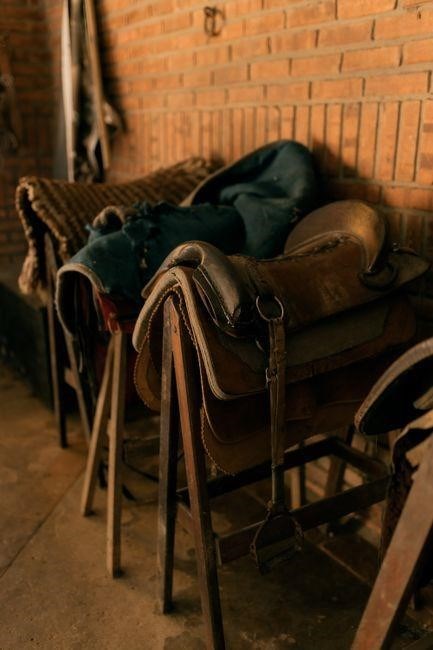
Understanding Western Saddle Dimensions
Western saddle dimensions hinge on seat width, gullet breadth, and skirt length. Seat width spans from one stirrup bar to the other, ensuring rider balance. Gullet width, the space between tree points, dictates overall saddle breadth. Skirt length should stop before the hip point for comfort.&ride
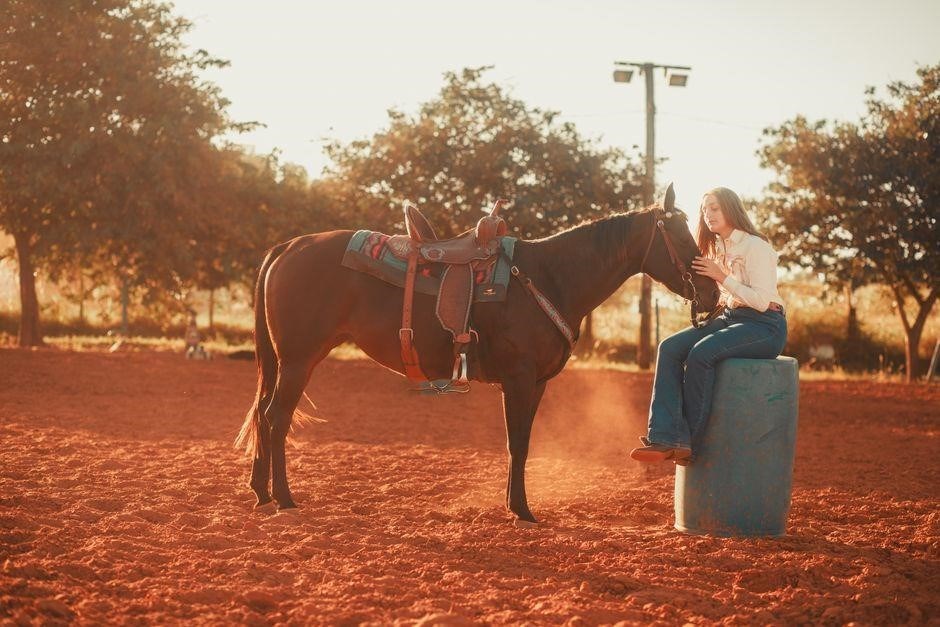
Key Components That Affect Size
Seat width, gullet width, skirt length, and tree type dictate saddle fit. Seat width is measured across stirrup bars. Gullet width is the space between tree points. Skirt length should end before the hip. Tree shape influences overall saddle shape. The rider’s weight and posture also affect fit. !!!!
Seat Width and Depth
Seat width and depth are the first dimensions a rider must consider when selecting a Western saddle. The width is measured from the outer edge of one stirrup bar to the outer edge of the opposite stirrup bar, giving a clear indication of the saddle’s overall breadth. A narrow seat may feel cramped for a rider with a larger frame, while an excessively wide seat can shift the rider’s weight too far forward, compromising balance. Depth, on the other hand, is the vertical distance from the seat’s top to the bottom of the gullet. A deeper seat offers more support for the rider’s hips and shoulders, especially during long rides or when the rider’s posture changes. However, too deep a seat can restrict the horse’s natural movement, causing discomfort or even injury. When measuring depth, it is essential to account for the saddle’s centerline and the rider’s typical stance. A common practice is to measure from the seat’s top to the lowest point of the gullet, ensuring the rider’s hips are aligned with the horse’s spine. Adjustments can be made by adding or removing padding or by selecting a saddle with a different seat shape. Ultimately, the ideal seat width and depth should provide a secure feel for the rider while allowing the horse to move freely. Always test the saddle on the horse observe both the rider’s comfort and the horse’s gait before making a final decision. Carefully balancing these two dimensions will lead to a more harmonious and efficient riding experience. Proper sizing boosts comfort, supports natural gait, reduces slip risk!!!
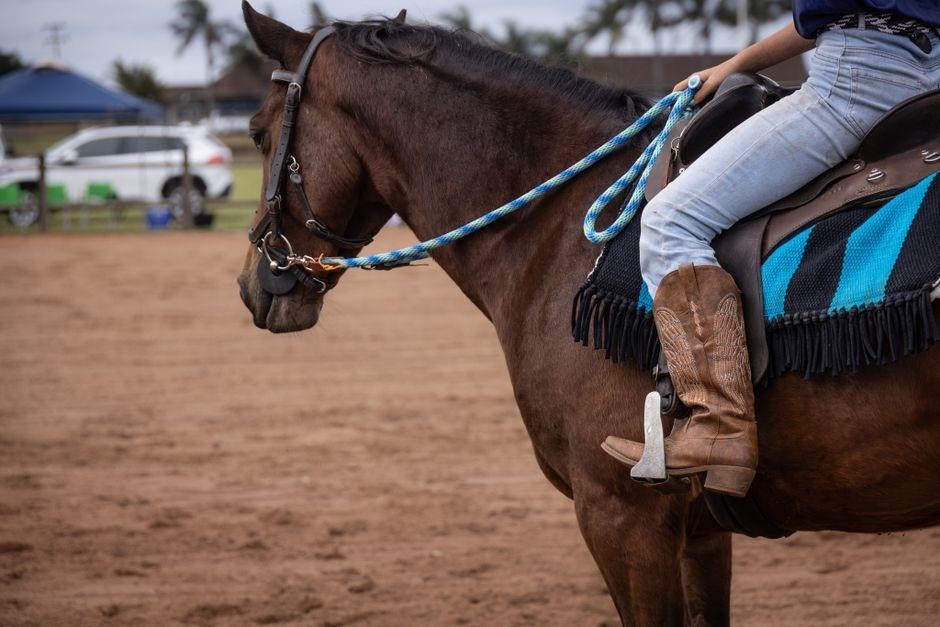
Gullet Width

The gullet is the central opening between the saddle tree points, allowing the horse’s spine to move freely. Measuring the gullet width accurately is essential for a proper fit, as it directly influences seat width and overall saddle balance. To measure, place a ruler or tape measure between the inner edges of the tree points, ensuring the measurement is taken at the saddle’s deepest point. A narrow gullet may restrict the horse’s natural flexion, leading to discomfort or even injury, while a wide gullet can cause the saddle to shift forward, increasing the risk of rider slip. Most Western saddles feature a gullet width ranging from 8 to 12 inches, but the optimal width depends on the horse’s conformation and the rider’s body size. For riders with a larger frame, a slightly wider gullet can provide additional stability, whereas a smaller rider may benefit from a tighter fit that keeps the saddle centered. Adjustments can be made by adding or removing gullet padding, or by selecting a saddle with a different tree design. It is also important to consider the tree type; leather trees tend to flex differently than synthetic ones, affecting the effective gullet width during use. A well‑measured gullet ensures the saddle sits evenly on the horse’s back, promoting efficient weight distribution and reducing the likelihood of chafing or pressure points. Always verify the measurement on a live horse, observing how the saddle behaves under movement, and consult a professional fitter if uncertain. When the gullet width matches the rider’s hip width, the saddle distributes weight evenly across the horse’s back, preventing pressure spots and allowing a relaxed posture during ridesday!
Skirt Length
Skirt length is the distance from the saddle’s seat to the lowest point of the skirt, measured along the tree. A properly trimmed skirt should finish just above the hip joint, allowing the horse’s hindquarters to move freely while preventing the skirt from dragging on the ground. To measure, place a ruler at the seat’s center and extend it to the skirt’s lowest point, noting the length in inches. A skirt that is too long can cause the rider to lean forward, shifting weight onto the forehand and increasing the risk of a “skirt‑drag” injury. Conversely, an overly short skirt may expose the horse’s back to chafing or allow the rider’s weight to slide off the seat. Most Western saddles feature skirt lengths between 12 and 18 inches, but the ideal length varies with the horse’s conformation and the rider’s height. Adjustments can be made by trimming the skirt or adding padding to the tree’s lower edge. When the skirt ends just before the hip, it offers optimal balance, reducing friction and allowing the rider to maintain a relaxed posture. Always test the skirt on a live horse, observing how it moves during trot and canter; a well‑fitted skirt should glide smoothly without catching the horse’s hindquarters. Proper skirt length not only enhances comfort for both horse and rider but also contributes to a safer, more efficient ride by keeping the saddle centered and preventing excessive forward movement during riding day. In addition, the skirt’s material and weave play a role in its flexibility; a tightly woven canvas will hold shape better than a loosely woven fabric, affecting how the skirt sits during dynamic movements. Riders who frequently ride in high‑speed disciplines may prefer a slightly longer skirt for added stability, while those who ride in calmer, dressage‑style sessions might opt for a shorter skirt to reduce bulk. It is also advisable to check the skirt’s alignment with the tree’s centerline; misalignment can cause uneven pressure points, leading to discomfort or even skin irritation. Regular inspection of the skirt for wear, fraying, or loose stitching is essential, as a damaged skirt can compromise the saddle’s overall fit. By combining accurate measurement, thoughtful material choice, and routine maintenance, riders can ensure that the skirt length remains optimal throughout the saddle’s lifespan, providing both comfort and performance for the horse and rider alike during every ride. Ultimately, the goal is to achieve a skirt that balances freedom of movement with secure support, enhancing the riding experience for all parties involved.
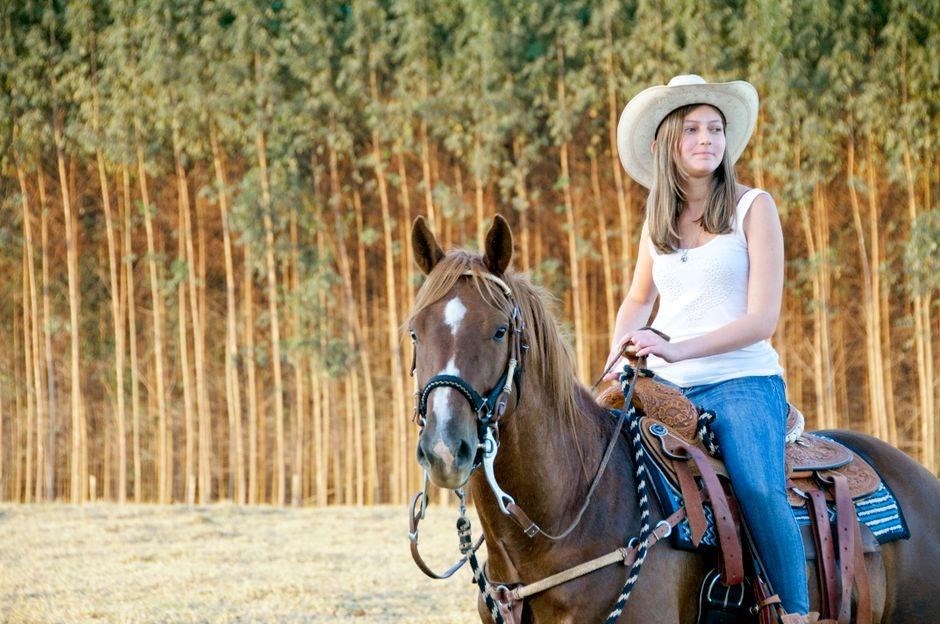
Measuring Your Saddle
To measure seat width, place a ruler from one stirrup bar to the other. For gullet width, measure between tree points. Skirt length is from seat to lowest skirt point. Record each in inches for accurate fitting. Use a flexible tape for measurements anddouble‑check each dimension before final fitting now.
Seat Width Measurement
Seat width is the horizontal span that determines how much room a rider has comfortably. To measure it accurately, follow these steps: 1. Place the saddle on a flat surface or mount it on a tree. 2. Use a flexible measuring tape or a ruler that can stretch beyond the saddle’s width. 3. Measure from the outer edge of one stirrup bar to the outer edge of the opposite stirrup bar. 4. Record the measurement in inches or centimeters. 5. Repeat the measurement a few times to ensure consistency. 6. If the saddle has a double‑stirrup setup, measure each side separately and average the two values. 7. Remember that the seat width should accommodate the rider’s hips and thighs; a width that is too narrow can cause pressure points, while a width that is too wide may lead to instability. 8. For horses with a narrow back, a slightly narrower seat can improve balance, whereas a broader back may benefit from a wider seat. 9. Always compare the measured width to the manufacturer’s size chart before purchasing or fitting. 10. If you’re unsure, consult a saddle fitter or experienced rider for a second opinion. 11. Keep a record of your measurements for future reference, especially if you plan to try different saddles or adjust the fit over time. 12. Finally, remember that seat width is just one component of a well‑fitted saddle; it must be considered alongside gullet width and skirt length for optimal comfort and performance. With width, adjust dimensions for a harmonious fit comfort today!!
Gullet Width Measurement
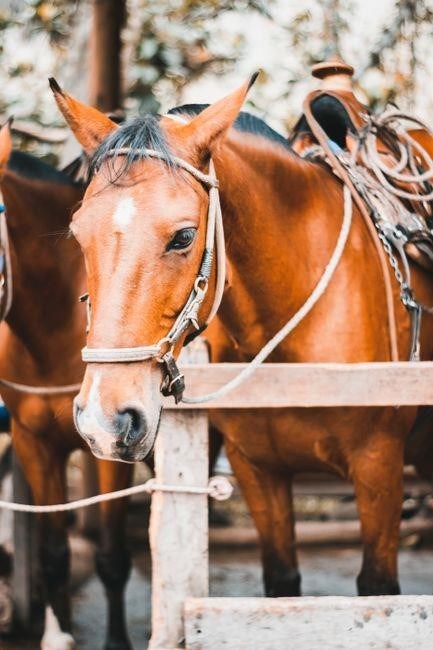
Gullet width is the distance between the tree points that allows the horse’s spine to move. To measure it accurately, place the saddle on a flat surface or mount it on a tree that matches the intended use. Use a flexible tape or ruler that can extend beyond the saddle’s width. Measure from the inner edge of one gullet side to the inner edge of the opposite side, keeping the tape straight and parallel to the saddle’s centerline. Record the measurement in inches or centimeters. Repeat the measurement at least twice to confirm consistency. If the saddle has a split‑gullet or double‑stirrup design, measure each side separately and calculate the average. Compare the result to the manufacturer’s size chart; a gullet that is too narrow restricts the horse’s movement, while one that is too wide may cause the saddle to shift. Consider the tree type—soft‑wood trees often allow for a slightly narrower gullet, whereas hard‑wood trees may require a broader opening to maintain structural integrity. Always pair gullet width with seat width and skirt length for a balanced fit. Keep a log of your measurements for future reference, especially if you plan to adjust the saddle or try a different model. When in doubt, consult a seasoned saddle fitter or experienced rider to verify your readings. A precise gullet measurement prevents pressure points along the horse’s spine and maintains rider stability.
Remember to adjust the gullet width if the horse’s conformation changes or if the saddle is upgraded rider.!!!!.
Skirt Length Measurement
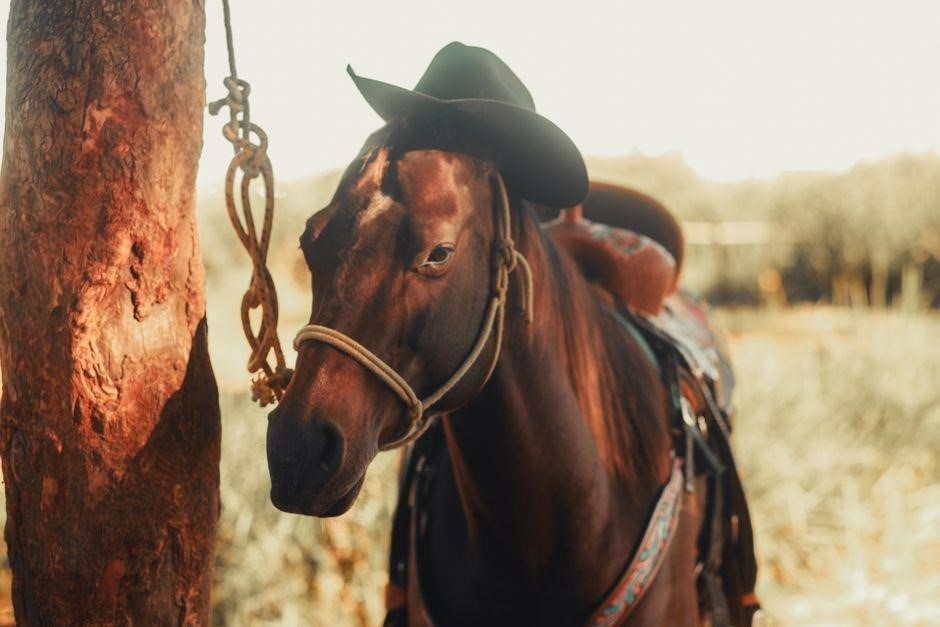
To determine the optimal skirt length for a western saddle, start by placing the saddle on a flat surface or mounting it on a tree that matches the intended use. Measure from the lowest point of the skirt—usually the point where the skirt meets the saddle’s base to the horse’s hip point, ensuring the tape follows natural curve of the saddle. Use a flexible measuring tape, keeping it snug but not tight, and record the measurement in inches or centimeters. Repeat the measurement at least twice to confirm consistency. The ideal skirt should end just before the hip point; a skirt that extends beyond the hip can create pressure on the horse’s flank and interfere with rider balance. If the saddle has a split skirt or a double‑stirrup design, measure each side separately and calculate the average. Compare the result to the manufacturer’s size chart, noting that a skirt that is too short may cause the saddle to shift during movement, while one that is too long can restrict the horse’s natural gait. Adjust the skirt length by trimming or adding padding only after confirming the measurement, and always keep a log of your readings for future reference. When in doubt, consult a seasoned saddle fitter or experienced rider to verify your measurements. A precise skirt length ensures rider stability and horse comfort, preventing undue pressure along the flank and allowing the horse to move freely.
A well‑measured skirt length not supports rider confidence enhances the horse’s performance. !!!
Interpreting the Size Chart
When you consult a western saddle size chart, the first column typically lists seat widths in inches or centimeters, followed by corresponding gullet widths and skirt lengths. Each row represents a distinct size, often labeled numerically (e.g., 1, 2, 3). To interpret the chart, start by measuring your horse’s actual seat width, gullet width, and skirt length using a flexible tape. Then locate the row that most closely matches each measurement. If your seat width falls between two rows, choose the larger size to avoid an overly tight fit. For gullet width, a slightly wider gullet than the horse’s natural width can provide comfort, but too wide a gullet may shift the saddle during movement. Skirt length should align with the horse’s hip point; a skirt that ends too low can restrict the horse’s flank, while one that ends too high may allow the saddle to slide. Many charts also include a “recommended rider weight” column; use this to gauge how much rider mass the saddle can safely support. Finally, cross‑reference all three measurements to ensure a balanced fit: a seat that is too narrow, a gullet that is too narrow, or a skirt that is too short can all compromise rider safety and horse comfort. Adjusting the saddle within the recommended ranges will typically yield the best riding experience. By cross‑checking each measurement against the chart,you can fine‑tune the saddle’s fit, ensuring that the rider’s weight is evenly distributed and the horse’s spine remains unstrained throughout activities.
Common Fitting Mistakes
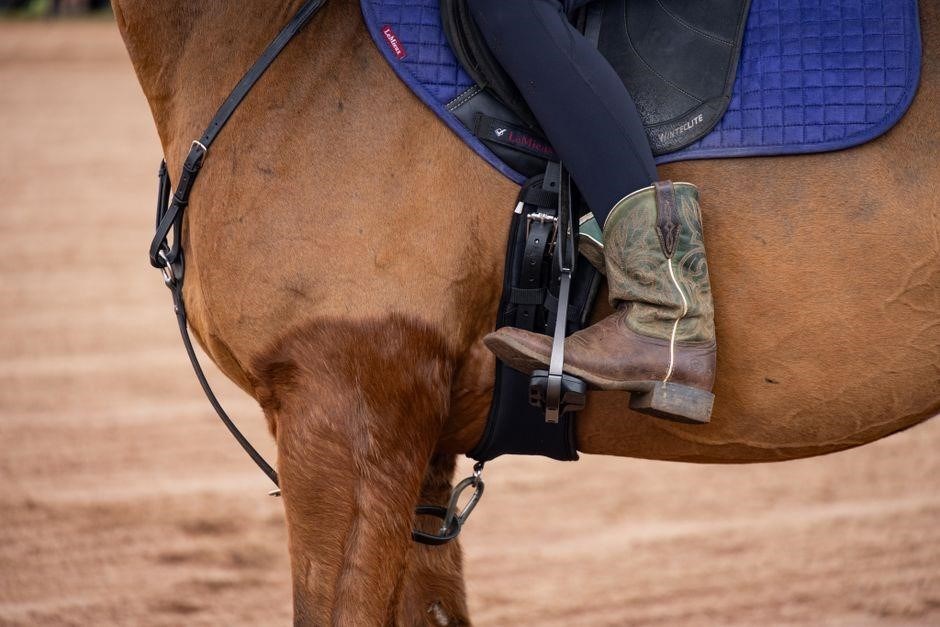
Even seasoned riders can fall into a handful of fitting pitfalls that compromise both comfort and safety. The most frequent error is selecting a seat that is too narrow for the horse’s body, which forces the rider’s weight into the saddle’s center and can cause spinal irritation. Another common slip is choosing a gullet that is too tight; a narrow gullet restricts the horse’s natural spine movement and can create pressure points along the back. Skirt length is also a frequent source of mis‑fit: a skirt that extends past the hip point can drag on the horse’s flank, while a skirt that ends too high may allow the saddle to shift during lateral work. Riders often overlook the importance of tree compatibility; a saddle built for a flat‑back tree may not accommodate a horse with a pronounced saddle shape, leading to uneven weight distribution. Additionally, many riders neglect to account for their own weight relative to the saddle’s recommended capacity, which can over‑stress the saddle’s structure. Finally, failing to adjust the saddle for the horse’s movement—such as not allowing enough clearance for a high‑stepping gait—can result in a saddle that feels cramped and causes discomfort over time. Avoiding these mistakes requires careful measurement, a clear understanding of each component’s role, and regular reassessment as the horse grows or changes gait patterns. Remember a well‑fitted saddle promotes long‑term health for horse and rider, making each ride safer and more enjoyable for all riders.
Final Fitting Tips
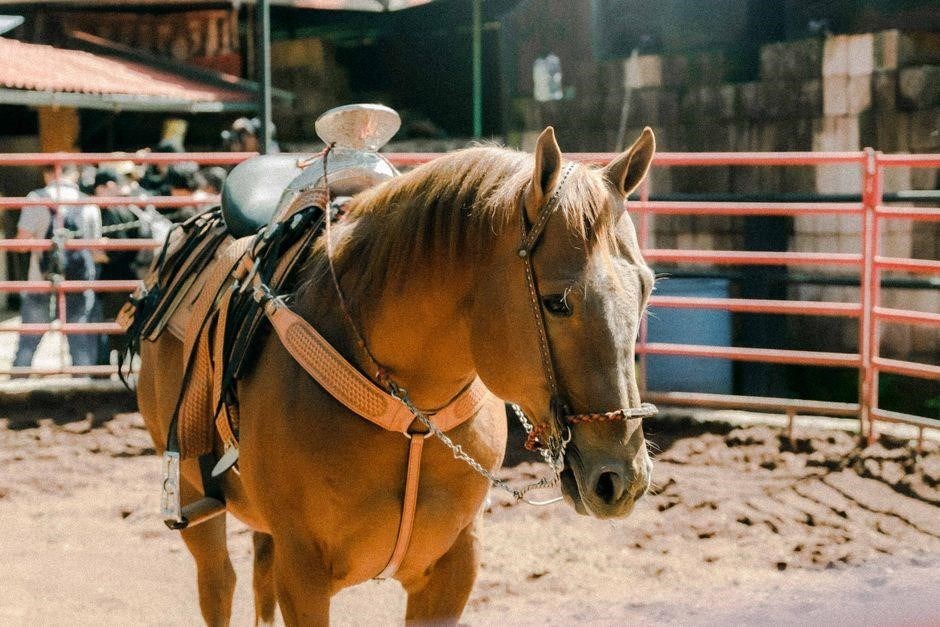
Always test the saddle on the horse before purchase, ensuring the seat sits evenly and the skirt stops just above the hip. Adjust the tree height so the rider’s weight is centered, and check for any pressure points. Regularly re‑measure as the horse grows. Keep the saddle clean and check wear daily.
Adjusting for Tree Type
Tree construction influences saddle fit. A flat‑back tree offers a broader base, allowing a wider seat and gullet, which is ideal for larger horses or riders who prefer a more stable platform. Conversely, a curved or “hollow” tree compresses the seat, creating a narrower profile that reduces weight transfer to the horse’s back. When selecting a saddle, first determine the tree’s shape and material—wood, composite, or metal—and then compare its dimensions to the horse’s conformation. For a horse with a high withers or a pronounced ridge, a tree that follows the natural contour will minimize pressure points. If the tree is too rigid, consider a saddle with an adjustable or removable tree insert to accommodate variations in the rider’s weight distribution. Pay attention to the tree’s length; a longer tree can distribute load more evenly across the back, whereas a shorter tree concentrates pressure near the spine. Regular maintenance—checking for cracks and lubricating moving parts—helps keep the fit optimal. If the tree is too stiff, it may transmit jolts directly to the horse, leading to discomfort. On the other hand, an overly flexible tree may sag under weight, causing the saddle to shift and increasing the risk of chafing. Pick the best fit for comfort now Finally, test the saddle on the horse, noting any discomfort or shifting, and adjust the tree height and angle accordingly. A well‑matched tree not only enhances rider comfort but also promotes the horse’s health and performance.