
CRC Intake Valve Cleaner Instructions: A Comprehensive Guide
CRC Industries’ innovative GDI IVD Intake Valve Cleaner effectively tackles detrimental deposits in all gasoline engines, boasting up to 23% carbon removal capabilities․
Understanding the Need for Intake Valve Cleaning
Intake valve cleaning is crucial for maintaining optimal engine performance and efficiency․ Over time, gasoline engines accumulate carbon deposits on intake valves, hindering airflow and reducing combustion effectiveness․
These deposits significantly impact fuel economy, power output, and can even lead to rough idling or engine stalling․ Modern Gasoline Direct Injection (GDI) engines are particularly susceptible to this issue due to the way fuel is delivered․
Regular cleaning, utilizing products like CRC GDI IVD Intake Valve Cleaner, helps restore airflow, improve combustion, and prevent costly engine repairs․ Proactive maintenance ensures your engine operates as designed, maximizing its lifespan and minimizing emissions․
What is Carbon Buildup and Why Does it Matter?
Carbon buildup refers to the accumulation of solid deposits, primarily carbon, on engine components, especially intake valves․ This occurs due to the incomplete combustion of fuel and oil, leaving behind residue that hardens over time․
The significance lies in its ability to restrict airflow, reducing the amount of oxygen available for combustion․ This leads to decreased engine power, reduced fuel efficiency, and increased emissions․
In GDI engines, carbon buildup is often more severe due to the lack of direct fuel washing over the intake valves․ CRC GDI IVD Intake Valve Cleaner is specifically formulated to combat this, dissolving and removing these harmful deposits, restoring engine health․
Symptoms of Dirty Intake Valves
Dirty intake valves manifest through several noticeable performance issues․ A common sign is a rough idling engine, often accompanied by vibrations․ You might experience decreased acceleration and overall loss of engine power, particularly during demanding driving situations․
Fuel economy often suffers as the engine works harder to compensate for restricted airflow․ The check engine light may illuminate, potentially displaying codes related to misfires or fuel trim issues․
In some cases, you may notice a hesitation or stumbling during acceleration․ Addressing these symptoms promptly with a cleaner like CRC GDI IVD can prevent further engine damage and restore optimal performance․
CRC GDI IVD Intake Valve Cleaner: An Overview
CRC GDI IVD Intake Valve Cleaner is a specialized formula designed to dissolve stubborn carbon deposits that accumulate on intake valves, particularly in Gasoline Direct Injection (GDI) engines․ This buildup restricts airflow, hindering engine performance and fuel efficiency․
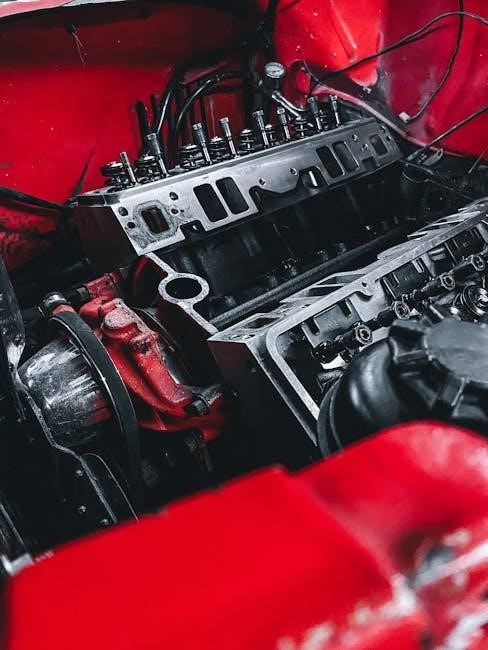
Unlike traditional cleaners, CRC’s product is engineered for both GDI and Port Fuel Injection (PFI) systems, offering versatile application․ It’s formulated to be safe for turbochargers, aiding in their optimal function․
The cleaner boasts a powerful yet safe composition, aiming to restore engine power, reduce emissions, and improve overall drivability․ It was launched at the 2016 AAPEX and SEMA trade shows․
Types of Engines Compatible with CRC Intake Valve Cleaner
CRC GDI IVD Intake Valve Cleaner demonstrates broad compatibility, effectively cleaning a wide range of gasoline-powered engines․ Its formulation is specifically designed to address the unique challenges presented by modern engine technologies․

This includes Gasoline Direct Injection (GDI) engines, notorious for increased carbon buildup on intake valves․ It also works effectively on traditional Port Fuel Injection (PFI) engines, maintaining optimal performance․
Furthermore, the cleaner is safe for use in Turbocharged Engines, helping to remove deposits that can impede turbocharger efficiency․ CRC emphasizes its suitability for all types of gasoline engines, making it a versatile maintenance solution․
Gasoline Direct Injection (GDI) Engines
Gasoline Direct Injection (GDI) engines, while offering fuel efficiency gains, are particularly susceptible to intake valve carbon buildup․ Unlike port fuel injection, GDI doesn’t wash the back of the valves with fuel, leading to deposit accumulation․
This carbon restricts airflow, reducing engine power and fuel economy․ CRC GDI IVD Intake Valve Cleaner is specifically formulated to dissolve these stubborn deposits, restoring optimal engine performance in GDI systems․
The cleaner’s direct application targets the intake valves, effectively removing up to 23% of carbon buildup, as claimed by CRC․ Regular use can prevent performance degradation and maintain the benefits of GDI technology․

Port Fuel Injection (PFI) Engines
Port Fuel Injection (PFI) engines generally experience less severe intake valve carbon buildup compared to GDI systems․ This is because the fuel sprayed into the intake port naturally cleans the back of the intake valves during operation․
However, even PFI engines can develop deposits over time, especially with higher mileage or poor fuel quality․ CRC GDI IVD Intake Valve Cleaner can still be beneficial in PFI engines, helping to remove existing carbon and improve airflow․
While the cleaning effect might be less dramatic than in GDI engines, it can contribute to smoother idling, improved throttle response, and restored fuel efficiency․ It’s a proactive maintenance step for optimal PFI engine health․
Turbocharged Engines
Turbocharged engines are particularly susceptible to intake valve carbon buildup due to the recirculated exhaust gas (EGR) systems often employed to enhance efficiency․ This EGR introduces carbon particles directly into the intake manifold․
The increased temperatures and pressures within a turbocharged engine can also accelerate carbon deposit formation․ Utilizing CRC GDI IVD Intake Valve Cleaner in these engines is highly recommended as a preventative and restorative measure․
Cleaning intake valves in turbocharged engines can help restore lost power, improve turbocharger spool-up, and maintain optimal engine performance․ Regular cleaning can prevent carbon buildup from damaging sensitive turbo components․
Tools and Materials Required
Successfully cleaning your intake valves with CRC GDI IVD requires a few essential tools and materials․ First and foremost, you’ll need a can of CRC GDI IVD Intake Valve Cleaner itself – the core component of this process․
A socket set with various extensions is crucial for accessing and disconnecting components like the throttle body․ Screwdrivers (both flathead and Phillips head) will also be necessary for various fasteners․
Prioritize safety! Always wear appropriate safety glasses and gloves to protect your eyes and skin from the cleaner․ Having shop towels on hand is also advisable for cleanup․
CRC GDI IVD Intake Valve Cleaner
CRC GDI IVD Intake Valve Cleaner is a specifically formulated product designed to combat the challenging carbon deposits found in modern gasoline engines, particularly those with Gasoline Direct Injection (GDI)․ This cleaner is engineered to dissolve and remove these harmful buildups, restoring engine performance and efficiency․
CRC claims this product can remove up to 23% of carbon buildup on intake valves․ It’s effective on a wide range of engine types, including those with turbochargers․ The cleaner is delivered via a convenient spray nozzle, allowing for targeted application directly into the intake manifold․
Socket Set & Extensions
A comprehensive socket set, including various sizes and drive types (typically 1/2” and 3/8”), is crucial for disassembling components to access the intake valves․ Extensions are equally vital, allowing you to reach bolts and fasteners located in recessed areas of the engine bay․ Deep sockets may also be necessary for certain applications․
Ensure your socket set includes both metric and standard sizes to accommodate a wide range of vehicle makes and models․ Having a universal joint attachment can further enhance accessibility․ The quality of the sockets matters; durable, chrome vanadium steel sockets will withstand repeated use and prevent rounding off fasteners․
Screwdrivers
A selection of screwdrivers, encompassing both Phillips head and flathead types, is essential for removing covers, air intake components, and electrical connectors․ Different sizes within each type are necessary to fit various screws encountered during the intake valve cleaning process․ Consider having both standard and stubby screwdrivers for tight spaces․
Magnetic screwdrivers are highly recommended, as they securely hold screws, preventing them from being dropped into hard-to-reach areas of the engine bay․ Impact-resistant screwdrivers can be beneficial for stubborn or corroded fasteners․ A screwdriver set with interchangeable bits offers versatility and convenience․
Safety Glasses & Gloves
Protecting your eyes and skin is paramount when working with automotive chemicals like CRC GDI IVD Intake Valve Cleaner․ Safety glasses with side shields are crucial to prevent splashes or fumes from irritating or damaging your eyes․ Chemical-resistant gloves, such as nitrile or neoprene, should be worn to avoid skin contact with the cleaner․
The cleaner contains solvents that can cause irritation or dermatitis․ Ensure the gloves are in good condition, without any tears or punctures․ Consider wearing long sleeves and pants for additional skin protection․ Proper personal protective equipment (PPE) minimizes risks during the cleaning procedure, ensuring a safe working environment․
Step-by-Step Cleaning Instructions
Begin by locating the intake valve(s) specific to your engine type – consult your vehicle’s repair manual if needed․ Carefully disconnect the throttle body, ensuring the engine is cool․ With the throttle body removed, you’ll gain access to spray the CRC GDI IVD Intake Valve Cleaner directly into the intake manifold․
Apply the cleaner liberally, ensuring thorough coverage of the intake valves․ Allow sufficient soak time – typically 15-30 minutes – for the cleaner to dissolve carbon deposits․ This dwell time is critical for effective cleaning․ Following the soak, proceed with post-cleaning procedures, including reconnection and leak checks․
Locating the Intake Valve(s)
Identifying the intake valve location is crucial before beginning the cleaning process․ These valves regulate the air-fuel mixture entering the engine cylinders․ Their position varies significantly depending on the engine type – Port Fuel Injection (PFI) or Gasoline Direct Injection (GDI)․
For PFI engines, the intake valves are typically found within the intake manifold, positioned before the cylinder head․ GDI engines feature valves directly within the cylinder head․ Consulting your vehicle’s specific repair manual is highly recommended to pinpoint the exact location․ Proper identification ensures accurate cleaner application and maximizes cleaning effectiveness․
Disconnecting the Throttle Body
Before applying the CRC GDI IVD Intake Valve Cleaner, disconnecting the throttle body is often necessary for optimal access and cleaner distribution․ Begin by disconnecting the electrical connector attached to the throttle body․ Carefully detach any linkages or cables connected to the throttle, noting their positions for reassembly․
Loosen the clamps securing the air intake duct to the throttle body, and gently remove the duct․ Unbolt the throttle body from the intake manifold, taking care not to damage any gaskets․ Properly store all removed components to ensure a smooth reinstallation process later on․
Spraying the Cleaner
With the throttle body disconnected, locate the intake valve(s)․ Insert the CRC GDI IVD Intake Valve Cleaner’s spray nozzle directly into the intake manifold, aiming towards the intake valves․ Initiate short, controlled bursts of the cleaner – typically 2-3 seconds each – to avoid liquid buildup․
Ensure the spray reaches the back of the valves, where carbon deposits accumulate․ Rotate the nozzle to cover all valves evenly․ Avoid over-saturating the intake; a moderate application is key․ Follow the specific instructions on the CRC product label for optimal spraying technique and quantity․
Allowing Soak Time
After thoroughly spraying the CRC GDI IVD Intake Valve Cleaner, it’s crucial to allow sufficient soak time for the formula to effectively dissolve carbon deposits․ Generally, a soak period of 15-30 minutes is recommended, but always refer to the product label for precise guidance․
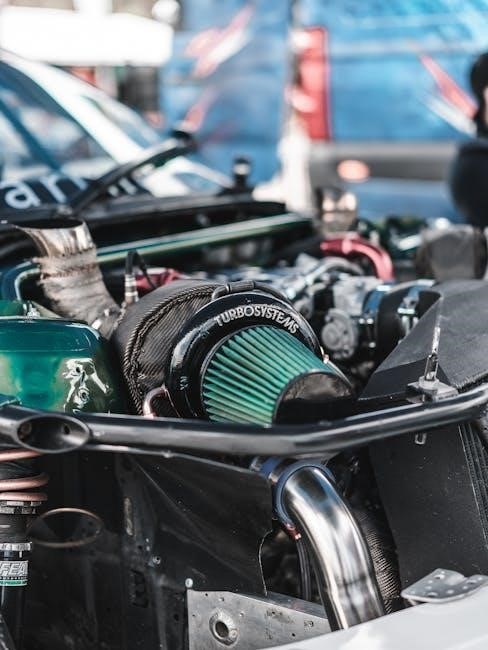
This dwell time allows the cleaner to penetrate and break down stubborn buildup on the intake valves․ Avoid disturbing the vehicle during this phase․ Longer soak times may be beneficial for heavily carboned engines, but excessive soaking isn’t necessary and won’t improve results significantly․
Post-Cleaning Procedures
Following the soak period, carefully reconnect the throttle body, ensuring all clamps and connections are secure․ Double-check that no cleaner residue remains on external components․ Before starting the engine, visually inspect the intake manifold area for any potential leaks or drips of the cleaner․
Initiate the engine and allow it to idle for several minutes, closely monitoring for any unusual noises, vibrations, or smoke․ A slight initial puff of smoke is normal as residual cleaner burns off․ Observe the engine’s performance and address any concerns immediately․
Reconnecting the Throttle Body
After the designated soak time, carefully begin the process of reconnecting the throttle body․ Ensure the gasket or O-ring is properly seated to prevent air leaks․ Align the throttle body with the intake manifold, taking care not to force it into place․
Securely fasten all mounting bolts or clamps, tightening them to the manufacturer’s specified torque․ Double-check all connections to guarantee a tight seal․ Inspect the throttle cable or electronic connector, ensuring it’s correctly attached and functioning smoothly․ A properly reconnected throttle body is crucial for optimal engine performance․
Checking for Leaks
Post-reconnection, a thorough leak check is paramount․ Start the engine and allow it to idle․ Carefully inspect around the throttle body mounting flange, intake manifold gaskets, and all connected hoses for any signs of air or fluid leakage․
Listen for hissing sounds which can indicate an air leak․ You can also use a spray bottle with soapy water; bubbles forming around connections pinpoint leak locations․ Address any leaks immediately by tightening connections or replacing gaskets as needed․ A leak-free system ensures efficient combustion and prevents performance issues․
Engine Startup and Monitoring
After reassembly, start the engine and allow it to idle․ Expect some initial roughness or slight smoke as residual cleaner burns off – this is normal․ Monitor the engine’s performance closely for the first few minutes․
Pay attention to the engine’s sound, looking for any unusual noises․ Observe the exhaust for excessive smoke․ Take a short test drive, noting acceleration, smoothness, and overall responsiveness․ If the engine stalls or runs poorly, immediately shut it off and re-check all connections․ Consistent monitoring ensures the cleaner has effectively done its job and the engine is functioning optimally․
Safety Precautions
When working with CRC GDI IVD Intake Valve Cleaner, prioritize safety․ This product contains flammable liquids, so avoid open flames, sparks, and smoking during application․ Ensure adequate ventilation in the work area to prevent inhalation of fumes․
Always wear appropriate eye and skin protection – safety glasses and gloves are essential․ Avoid contact with skin and eyes; if contact occurs, rinse thoroughly with water․ Keep the cleaner away from children and pets․ Dispose of used materials responsibly, following local regulations․ Prioritizing these precautions minimizes risks and ensures a safe cleaning process․
Working with Flammable Liquids
CRC GDI IVD Intake Valve Cleaner is a highly flammable product, demanding strict adherence to safety protocols․ Ensure the work area is completely free of ignition sources – open flames, sparks from tools, static electricity, and even lit cigarettes․
Maintain excellent ventilation to disperse any vapors․ Avoid creating aerosols, as these increase fire risk․ Keep a Class B fire extinguisher readily available․ Never spray the cleaner near hot engine components․ Store the product in a cool, well-ventilated area, away from heat and direct sunlight․ Responsible handling minimizes the potential for fire hazards․
Eye and Skin Protection
CRC GDI IVD Intake Valve Cleaner can cause significant irritation to both eyes and skin․ Always wear properly fitted safety glasses or a face shield to prevent splashes from entering your eyes․ Direct contact can result in severe discomfort and potential damage․
Impervious gloves, such as nitrile or neoprene, are essential to protect your skin from prolonged exposure․ If the cleaner comes into contact with skin, immediately wash the affected area thoroughly with soap and water․ For eye contact, flush continuously with water for at least 15 minutes and seek medical attention promptly․ Prioritize personal protective equipment!
Ventilation Requirements
CRC GDI IVD Intake Valve Cleaner releases vapors that can be harmful if inhaled․ Adequate ventilation is absolutely crucial during application․ Perform the cleaning procedure in a well-ventilated area, ideally outdoors, or in a garage with the door fully open․
If working indoors, utilize fans to circulate air and exhaust fumes․ Avoid breathing the spray mist or vapors․ Respiratory protection, such as a respirator, may be necessary in enclosed spaces․ Insufficient ventilation can lead to dizziness, nausea, and respiratory irritation․ Prioritize a safe working environment by ensuring proper airflow․
Troubleshooting Common Issues
If the cleaner fails to spray, check the nozzle for obstructions and ensure the can is adequately shaken․ Engine stalling post-cleaning often indicates excessive carbon buildup dislodged during the process; allow the engine to run and stabilize․
Persistent carbon buildup may necessitate a second application, or indicate a more significant underlying issue requiring professional attention․ Always monitor engine performance after cleaning․ If problems persist, consult a qualified mechanic․ Remember safety first – disconnect the battery if concerned about electrical issues during troubleshooting․
Cleaner Not Spraying
If the CRC GDI IVD Intake Valve Cleaner isn’t spraying, the most common cause is a clogged nozzle․ Thoroughly shake the can vigorously for at least one minute, ensuring proper mixing of the propellant and cleaning agent․
Next, try briefly depressing the nozzle to clear any potential obstructions․ If this fails, carefully inspect the spray tip for dried residue or debris․ Avoid using sharp objects to clear the nozzle, as this could damage it․ If the issue persists after these steps, the product may be defective and should not be used․
Engine Stalling After Cleaning
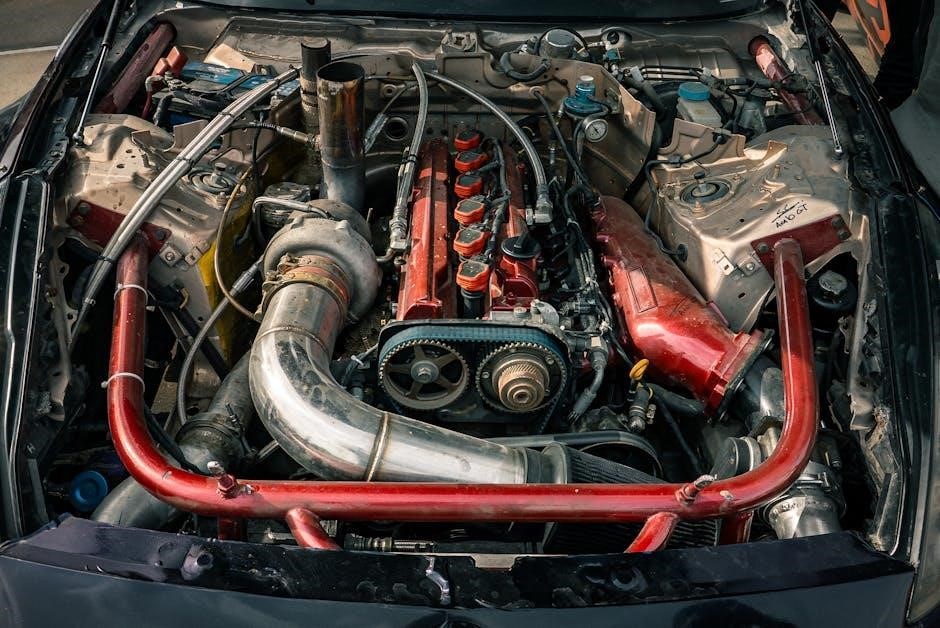
If your engine stalls immediately after using CRC GDI IVD Intake Valve Cleaner, it usually indicates a significant amount of carbon buildup was dislodged and is temporarily disrupting fuel delivery․ Do not panic! Allow the engine to sit for 15-30 minutes to allow the loosened deposits to settle․
Attempt to restart the engine; it may take several tries․ If stalling continues, avoid aggressive driving and allow the engine to run at idle for a longer period․ Consider a second application of the cleaner, following the instructions carefully, to fully dissolve remaining deposits․
Persistent Carbon Buildup
Despite using CRC GDI IVD Intake Valve Cleaner, some vehicles may experience recurring carbon buildup due to fuel quality, driving habits (frequent short trips), or underlying engine issues․ If this occurs, consider a more comprehensive cleaning service performed by a professional mechanic․
Regular preventative maintenance is crucial․ Using high-quality fuel with detergent additives and occasionally employing a fuel system cleaner can help minimize future deposits․ Monitor your vehicle’s performance and repeat the CRC cleaning process every 3,000-5,000 miles for optimal results, especially in GDI engines prone to buildup․