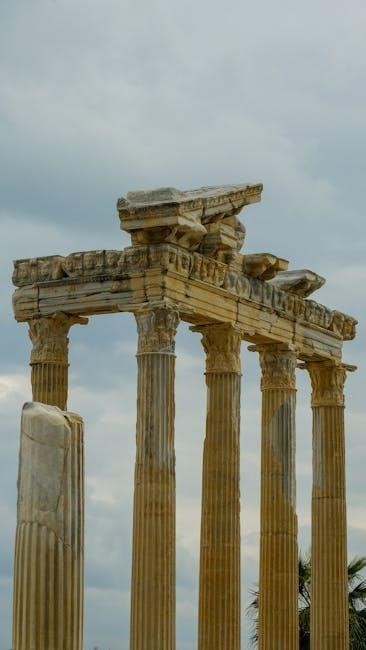
Archaeology Guide: Cataclysm Classic ― An Overview
Archaeology in Cataclysm Classic lets players unearth Azeroth’s history, leveling from 1-525 by discovering fragments and artifacts across diverse dig sites.
Archaeology, introduced with the Cataclysm expansion in Classic, is a unique secondary profession available to all characters. Unlike traditional crafting professions, it focuses on exploration and discovery, sending players on expeditions across Azeroth to unearth relics of the past. Players actively seek out dig sites, scattered throughout Kalimdor, the Eastern Kingdoms, and Northrend, to begin their archaeological journey.
This profession isn’t about creating items; it’s about recovering fragments of lost civilizations. These fragments are then assembled into artifacts, offering unique rewards like mounts, pets, toys, and achievements. Archaeology provides a compelling alternative gameplay loop, rewarding curiosity and a willingness to explore the world’s hidden corners.
Leveling Archaeology: 1-525
Leveling Archaeology from 1 to 525 in Cataclysm Classic involves a consistent cycle of surveying dig sites, excavating artifacts, and researching recovered fragments. Efficiency is key; focusing on zones appropriate for your skill level maximizes gains. Early levels are quickly gained in Kalimdor and the Eastern Kingdoms, while Northrend offers faster progression at higher skill tiers.
Remember to utilize keystones to accelerate research times, and prioritize solving artifacts to unlock further skill increases. Consistent effort and strategic dig site selection are crucial for reaching the maximum skill level of 525, unlocking all the profession’s potential rewards.
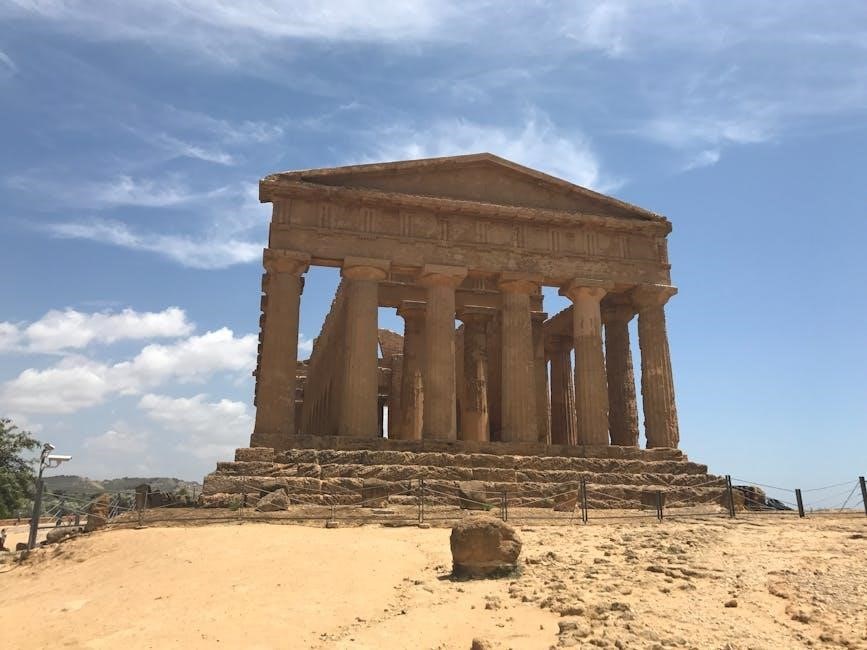
Dig Site Locations & Strategies
Cataclysm Classic features dig sites across Kalimdor, Eastern Kingdoms, and Northrend, each offering unique artifacts and requiring tailored surveying approaches for optimal results.
Kalimdor Dig Sites
Kalimdor presents a variety of archaeological sites, each with specific fragment types and spawn rates. Uldum, a prominent location, focuses on Tol’vir artifacts, demanding careful brush and soil identification. Tanaris offers a mix of Dune and Ruin sites, yielding fragments from various ancient cultures. Feralas contains sites with a focus on Night Elf relics, while Un’Goro Crater provides opportunities to uncover dinosaur-related artifacts.
Effective strategies involve rotating between sites to avoid depletion and utilizing surveying efficiency tips to maximize finds. Remember that site respawn times are crucial for consistent progress, so planning your route accordingly is essential for dedicated archaeologists.
Eastern Kingdoms Dig Sites
Eastern Kingdoms boasts diverse dig sites, each presenting unique challenges and rewards for aspiring archaeologists. The Wetlands offer a mix of Ruins and Coastal sites, yielding fragments from early human settlements. Dun Morogh contains Dwarf-related artifacts, requiring precise surveying techniques. Silverpine Forest provides opportunities to uncover Forsaken relics, while the Plaguelands focus on Scourge-era discoveries.
Optimizing your route and understanding fragment spawn rates are key to efficient leveling. Remember to rotate between sites to prevent depletion and utilize surveying tools effectively to maximize your archaeological gains throughout the Eastern Kingdoms.
Northrend Dig Sites
Northrend’s frigid landscapes hide a wealth of archaeological treasures, primarily focused on the Nerubian and Scourge civilizations. Sites in Icecrown are rich in Scourge artifacts, demanding careful brushwork to avoid damaging fragile fragments. Sholazar Basin offers Nerubian ruins, presenting unique surveying challenges due to the dense foliage. Grizzly Hills contain remnants of early human expeditions, providing a different flavor of discovery.
Efficient leveling in Northrend requires adapting to the colder climate and prioritizing sites with higher fragment density. Remember to utilize keystones strategically to accelerate artifact research.
Pandaria Dig Sites (If Applicable ― Check Patch)
Whether Pandaria dig sites are active in Cataclysm Classic depends on the specific patch; check updates before focusing efforts there. If available, Pandaria offers unique artifacts tied to the Pandaren civilization and the Sha. Sites are generally located throughout the Vale of Eternal Blossoms and Kun-Lai Summit, presenting a visually stunning backdrop for archaeological pursuits.
Pandaria fragments often require specific keystones, so preparation is key. The rewards from Pandaria archaeology can include exclusive transmog sets and mounts, making it a worthwhile endeavor if accessible.
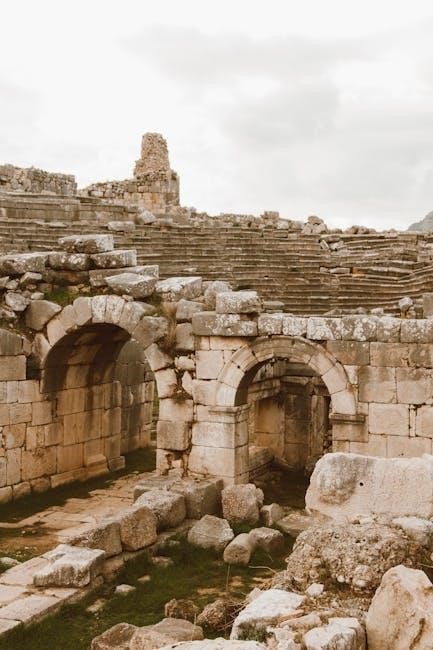
The Surveying Process
Archaeology relies on careful surveying of dig sites using a dedicated tool, identifying brush and soil types to efficiently locate valuable fragments and artifacts.
Using the Surveying Tool
The surveying tool is central to Archaeology in Cataclysm Classic, enabling players to scan dig sites for buried artifacts. Players obtain this tool from an Archaeology trainer. Begin by equipping the tool and right-clicking within a designated dig site. The tool will then analyze the surrounding area, revealing potential dig spots.
These spots are indicated by a shimmering visual effect. Clicking on these reveals fragments or artifacts. Be mindful of your surroundings, as other players can compete for the same dig sites. Successful surveying requires patience and a keen eye for detail, as not all spots yield valuable discoveries. Continual use improves skill!
Identifying Brush and Soil Types
Archaeology in Cataclysm Classic involves recognizing different brush and soil types at dig sites, influencing artifact discovery rates. Each site features unique combinations, impacting your efficiency. Dense brush slows surveying, while loose soil offers faster scans. Learning to quickly identify these variations is crucial for maximizing your time.
Pay attention to visual cues – color, texture, and density all provide clues. Certain artifact types are more common in specific soil compositions. Mastering this skill significantly boosts fragment and artifact yields, accelerating your Archaeology leveling process and overall success.
Surveying Efficiency Tips
To maximize Archaeology leveling in Cataclysm Classic, prioritize efficient surveying. Rotate your character frequently during scans to maintain optimal speed and avoid slowdowns. Clear nearby brush when possible, as it hinders detection rates. Utilize addons designed to highlight surveyable nodes and track your progress.
Focus on areas with higher node density, indicated by visual cues. Remember that surveying isn’t solely about speed; accuracy matters. Avoid unnecessary movement and maintain a consistent rhythm for the best results, ultimately accelerating your profession’s advancement.
Artifact Research & Restoration
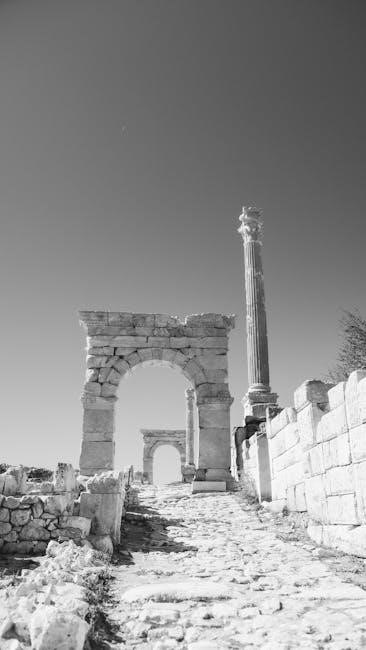
Artifact fragments require assembly and research using keystones in Cataclysm Classic. Solving these unlocks rewards, demanding careful study and dedication from archaeologists.
Assembling Artifact Fragments
Successfully excavating at dig sites yields artifact fragments, the building blocks of completed artifacts. These fragments aren’t immediately useful and must be combined to form a cohesive whole. The assembly process is straightforward; simply drag the fragments onto each other within your archaeology window.
However, not all fragments are created equal, and some artifacts require a specific number and type of fragment to complete. Players may find themselves with surplus fragments of one type and desperately seeking others. Trading with other players on the Auction House or through direct exchange is often necessary to finish more complex artifact reconstructions. Careful inventory management is key!
Keystone Usage & Acquisition
Keystones are crucial for unlocking and solving artifacts in Archaeology. They come in various types – Common, Uncommon, Rare, and Epic – each corresponding to the difficulty and reward potential of the artifact. Using a keystone on an artifact attempts to solve it, potentially revealing its history and granting experience.
Keystones are primarily obtained as random drops from artifact fragments during excavation. Higher-rarity fragments have an increased chance of awarding better keystones. Players can also occasionally find keystones as rewards from daily archaeology quests or purchase them from the Auction House, though prices fluctuate based on demand.
Solving Artifacts ౼ Common Types
Artifacts in Cataclysm Classic Archaeology present diverse puzzles. Common types often involve rotating pieces to form a complete image, aligning symbols, or arranging fragments in a specific order. Success relies on careful observation and trial-and-error. Some artifacts require specific keystone types for a guaranteed solve.
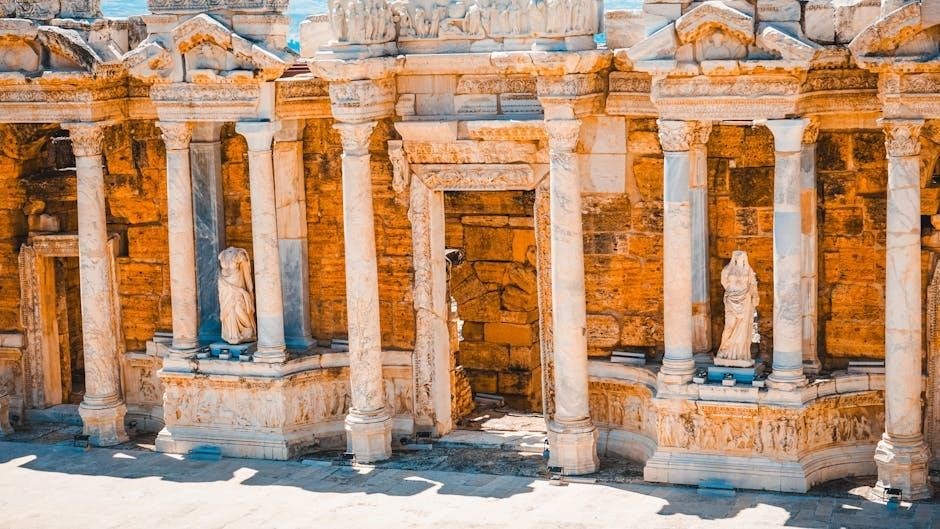
Tol’vir artifacts frequently involve rotating dials, while Titan relics may demand aligning energy conduits. Failing a solve doesn’t destroy the keystone, but it consumes charges. Understanding the artifact’s visual clues is key to efficient solving and maximizing experience gains.
Rewards of Archaeology
Archaeology yields unique rewards like mounts, pets, toys, and transmog items, alongside achievements and titles, incentivizing dedicated exploration and artifact restoration.
Mounts & Pets
Archaeology offers several highly sought-after mounts, including the Fossilized Raptor and the Time-Lost Proto-Drake, requiring dedication and a bit of luck to obtain. These mounts are exclusive to the profession and are considered prestigious rewards for diligent archaeologists. Beyond mounts, a variety of unique pets can also be discovered, such as the Fossilized Hatchling and various dinosaur companions.
These pets add a charming touch to your collection and showcase your archaeological prowess. The acquisition of these companions often involves solving complex artifacts and completing specific dig site discoveries, making them valuable additions for collectors and pet enthusiasts alike.
Toys & Transmog
Archaeology provides a delightful assortment of toys, ranging from amusing gadgets to historical replicas, offering unique interactions and cosmetic effects for players. These toys often reference the lore and discoveries made throughout the profession’s journey. Furthermore, Archaeology unlocks several transmogrification options, allowing players to customize their character’s appearance with unique armor pieces and weapon appearances.
These transmog items often feature ancient designs and aesthetics, providing a distinct look not readily available through other means. Collecting these rewards adds a layer of personalization and showcases a player’s dedication to uncovering Azeroth’s past.
Achievements & Titles
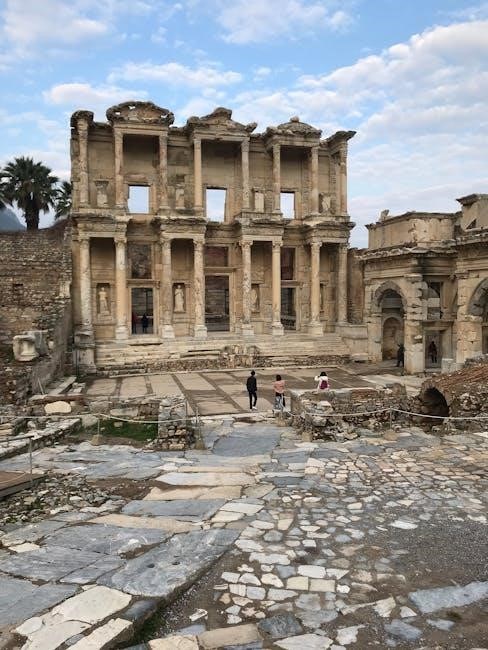
Archaeology offers a robust achievement system, rewarding players for completing various milestones within the profession, such as discovering specific artifacts or fully researching certain cultures. These achievements often culminate in prestigious titles, signifying mastery and dedication to the art of uncovering the past. Obtaining these titles demonstrates a player’s commitment to exploring Azeroth’s hidden histories.
Completing Archaeology achievements provides a sense of accomplishment and unlocks unique rewards, further incentivizing players to delve deeper into the profession’s intricacies and uncover its secrets.
Advanced Archaeology Techniques
Archaeology mastery involves optimizing research speed and diligently seeking rare artifact discoveries, demanding focused surveying and efficient keystone utilization for dedicated explorers.
Optimizing Research Speed
Accelerating artifact research in Cataclysm Classic Archaeology hinges on strategic keystone management. Prioritize using appropriate keystones – higher quality keystones drastically reduce research time. Regularly acquire keystones from dig sites and vendors; don’t hoard lower-level ones.
Furthermore, consider utilizing profession-boosting items or events when available. Guild perks offering increased skill gains can also contribute. Efficiently solving artifacts quickly is crucial; don’t delay, as completed artifacts provide experience and unlock further opportunities. Remember, consistent surveying and smart keystone application are key to rapid progression.
Rare Artifact Discoveries
Cataclysm Classic Archaeology boasts a chance to uncover exceptionally rare artifacts beyond the standard fragments. These discoveries often lead to unique mounts, pets, and transmogrification items unavailable elsewhere. Vigilance and consistent surveying are paramount, as rare spawns are unpredictable.
Certain dig sites have a higher probability of yielding these coveted rewards, so researching optimal locations is beneficial. Be prepared for potentially lengthy research times for these artifacts, requiring substantial keystone investment. Patience and dedication are rewarded with prestigious and sought-after collectibles.
Resources & Tools
Archaeology benefits from helpful addons for tracking dig sites and fragment data. Online databases and guides streamline artifact research and keystone management efficiently.
Useful Addons
Several addons significantly enhance the Archaeology experience in Cataclysm Classic. Archaeology Lite provides a streamlined interface for surveying, displaying brush and soil types clearly. Another popular choice is Cartographer, which allows players to mark dig sites directly on their world map, aiding in efficient route planning and revisiting previously discovered locations.
Furthermore, addons like GatherMate2 can be configured to track artifact fragment spawns, helping players identify potentially lucrative dig spots. These tools minimize wasted time and maximize the rate at which you uncover valuable artifacts, ultimately accelerating your Archaeology leveling process.
Online Databases & Guides
Numerous online resources can greatly assist your Archaeology journey in Cataclysm Classic. Wowhead is an invaluable database, offering comprehensive information on artifact locations, solve times, and potential rewards. Dedicated Archaeology guides, often found on websites like Icy Veins and various WoW fan sites, provide detailed strategies for efficient leveling and maximizing profits.
These resources often include community-contributed data, such as optimal dig site rotations and frequently updated lists of rare artifact discoveries. Utilizing these databases and guides will save you considerable time and effort, streamlining your path to 525 Archaeology.